Source Spot Weld Screws for Machinery, Chemical, and Building Uses
Compare 30 spot weld screws from Chinese manufacturers. Options include carbon steel, high strength steel, brass, and stainless steel with round or hexagonal heads. Find customizable sizes and finishes for industrial applications; compare the available evidence and request quotations based on your requirements.
Key considerations
Products List


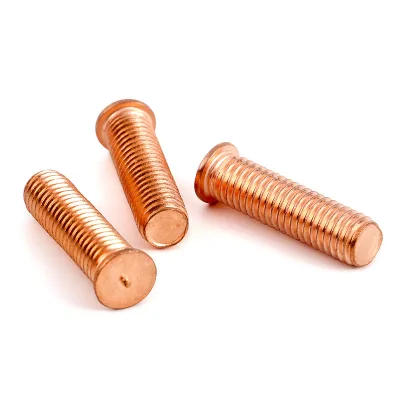
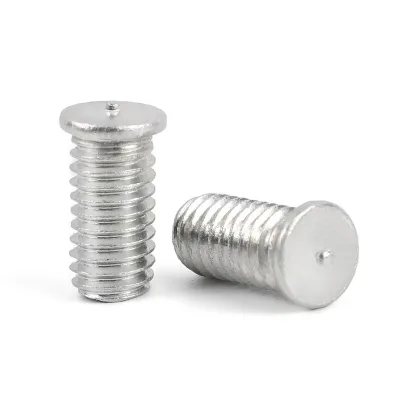


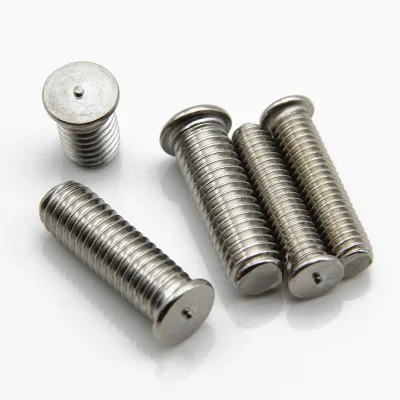


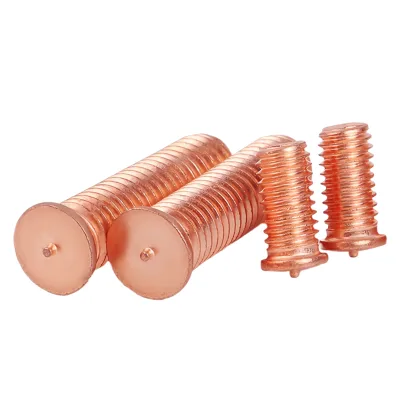
Comprehensive Sourcing Guide
Spot Weld Screws Sourcing Guide
Buyers must first distinguish between standard fasteners and specialized spot weld screws, as the supplied data reveals a mix of general-purpose bolts and specific welding variants. The observed listings include products explicitly marked for welding applications, featuring round heads and hinged bolt connections designed for secure attachment during the welding process. This distinction is critical because general machinery bolts with common bolt connections may not possess the necessary geometry or material properties to withstand the thermal shock of spot welding without deformation.
Procurement teams should verify that the specific product model, such as SL8546 or SL199, aligns with the intended welding method before placing orders. The available data indicates that some items are explicitly categorized as "Weld" or "Sorting" types, while others are standard hexagonal or round head bolts intended for general machinery assembly. Failing to confirm the welding capability of a listed item can lead to production delays, as non-compliant fasteners may fail during the high-heat welding cycle or compromise the structural integrity of the final assembly.
Product Scope and Observed Listing Signals
The market for these fasteners displays a wide variance in material composition, ranging from carbon steel and high-strength steel to brass and stainless steel options. Buyers should note that the observed listings include specific grades like 10 and 8, alongside classifications such as Class 4, which directly influence the thermal resistance and tensile strength required for spot welding applications. Selecting the wrong material grade can result in premature failure, particularly in environments where corrosion resistance or high-temperature stability is a primary concern for the machinery or building components being assembled.
Packaging and origin data provide additional signals regarding the logistical readiness of the supplier. Most observed products originate from manufacturing hubs in Wenzhou, Zhejiang, and Shanghai, China, and are typically shipped in carton packing with pallets or wooden crates. This standardized packaging suggests a mature supply chain capable of handling bulk orders, yet buyers must verify if the specific "Carton Packing + Pallets" configuration meets their internal storage requirements or if custom packaging is necessary for specialized industrial clients.
Technical Specifications to Verify
Technical verification must begin with the thread specifications, as the data shows a mix of metric and inch systems ranging from M3 to M20. Buyers need to confirm whether the supplier can provide the exact thread type required for their machinery, as the listings indicate options for both standard metric threads and customizable inch measurements. Mismatched thread standards can render a fastener useless in an assembly line, making it essential to cross-reference the specific model number, such as HX1568, against the engineering drawings of the target equipment.
Head style and finish are equally critical parameters that affect both the welding process and the final product appearance. The observed inventory includes round heads, hexagonal heads, and other styles, with finishes ranging from black to copper plating. For spot welding, the head geometry must allow for proper electrode access and heat distribution, while the finish must not interfere with the electrical conductivity required for the weld. Buyers should explicitly request samples to validate that the "Cross" groove or specific head style matches the welding gun specifications of their facility.
Compliance and Safety Documentation
While the provided data does not explicitly list ISO9001 or ROHS certifications for every item, buyers must treat these as mandatory verification points rather than assumed attributes. In the context of machinery and chemical industry applications, the absence of documented compliance can pose significant liability risks, especially when fasteners are used in structural or safety-critical assemblies. Procurement teams should request current certification documents from the supplier to ensure that the manufacturing process adheres to international quality management standards and environmental regulations.
Safety documentation also extends to the material composition and grade verification, particularly for high-strength steel components used in demanding environments. The listings mention grades like 10 and 8, but without third-party test results, buyers cannot confirm if these grades meet the specific safety factors required for their application. It is prudent to require mill test certificates or material analysis reports that verify the chemical composition and mechanical properties of the carbon steel or stainless steel used in the spot weld screws.
Cost Drivers and Commercial Terms
The observed price range of 0 to 1500 USD and MOQs spanning from 1 to 100,000 units indicate a highly flexible market with significant cost drivers based on volume and customization. Buyers should anticipate that lower unit costs will likely correlate with higher minimum order quantities, while smaller orders may incur premium pricing due to setup and handling fees. Understanding the relationship between the "Customizable" length and thread options and the final price is essential for budgeting, as bespoke specifications often require separate production runs that increase the per-unit cost.
Commercial terms must be scrutinized regarding the "Customer request" standard and the specific packing configurations listed. Suppliers offering M6 to M20 or M3 to M100 ranges may have different pricing structures for different size bands, and the choice between "Box/Carton/Pallet" or "Plastic Bag+ Carton+Wood Pallet" can impact shipping costs. Buyers should negotiate clear terms that define who bears the cost of custom packaging and whether the price includes the necessary documentation for customs clearance, especially given the diverse origins from Wenzhou and Shanghai.
Supplier Qualification and Quality Control
Supplier qualification should focus on the ability to maintain consistency across the observed product models like SL8546 and SL199, which serve different market segments. Buyers must assess whether the supplier has the capacity to handle the "Sorting" attribute mentioned in the data, ensuring that fasteners are correctly categorized and free from defects before shipment. A robust quality control system is necessary to verify that the "Weld" designation is accurate and that the fasteners meet the specified mechanical properties for their intended application in machinery or building projects.
Quality control protocols must also address the variability in material grades and finishes observed in the listings. Since the data includes both carbon steel and brass options, suppliers must demonstrate a clear process for material segregation to prevent cross-contamination or mislabeling. Buyers should implement incoming inspection procedures that verify the "Black" or "Copper plating" finishes and confirm that the thread dimensions fall within the acceptable tolerance ranges for the specific metric or inch standards being used.
Long-Term Procurement Checks
Long-term procurement success relies on establishing a reliable supply chain that can consistently deliver the specific standards and grades required for ongoing production. Buyers should monitor the supplier's ability to maintain the "M6 to M20" or "M3-M100" ranges over time, ensuring that the product availability does not fluctuate due to raw material shortages or production bottlenecks. Regular audits of the supplier's inventory and production capacity will help mitigate the risk of supply disruptions that could halt manufacturing operations.
Continuous performance monitoring is essential to ensure that the spot weld screws continue to meet the evolving demands of the machinery and chemical industries. Buyers should track the performance of the fasteners in real-world applications, looking for signs of corrosion, thread stripping, or welding failures that might indicate a deviation from the specified standards. Establishing a feedback loop with the supplier allows for timely adjustments to specifications, ensuring that the long-term procurement strategy remains aligned with the technical requirements of the final products.
FAQs
What materials are used for spot weld screws?
Spot weld screws are primarily manufactured from carbon steel and high strength steel. Some variants also utilize brass or stainless steel for specific corrosion resistance needs. These materials ensure the fasteners maintain structural integrity during the welding process while providing reliable mechanical performance in machinery and industrial applications.
Which standards apply to these fasteners?
These fasteners comply with major international standards including GB, DIN, ANSI, BSW, and JIS. Manufacturers often produce to customer requests or specific metric ranges like M3 to M100. This ensures compatibility with global machinery and building applications where precise dimensional and mechanical standards are required for assembly.
Can spot weld screws be customized?
Yes, customization is available for length, thread type, and head style. Buyers can request specific metric or inch threads, round or hexagonal heads, and various finishes like black or copper plating. Packaging can also be tailored to carton, box, or pallet requirements to suit specific logistics and storage needs.
What are the common head styles?
Common head styles include round head and hexagon head configurations. Some specialized variants feature other head designs or self-drilling points for window screws. The choice depends on the application, with round heads often used for general machinery and hexagonal heads providing better torque application during installation.
Where are these screws manufactured?
These fasteners are manufactured in China, with origins in Wenzhou, Zhejiang, and Shanghai. Production facilities in these regions specialize in high-volume output for global markets. Buyers can source directly from these locations to access competitive pricing and reliable supply chains for bulk industrial fastener requirements.
How are spot weld screws packaged?
Packaging typically includes plastic bags, cartons, and wooden pallets for bulk shipments. Smaller quantities may be packed in boxes or cartons alone. This multi-layered approach ensures protection during transit and facilitates easy handling and storage for industrial buyers requiring organized distribution of fasteners to assembly lines.